Subscribe and Stream On: Apple Podcast • Spotify • iHeart Radio • Soundcloud • Pandora • Amazon Music
About the Episode
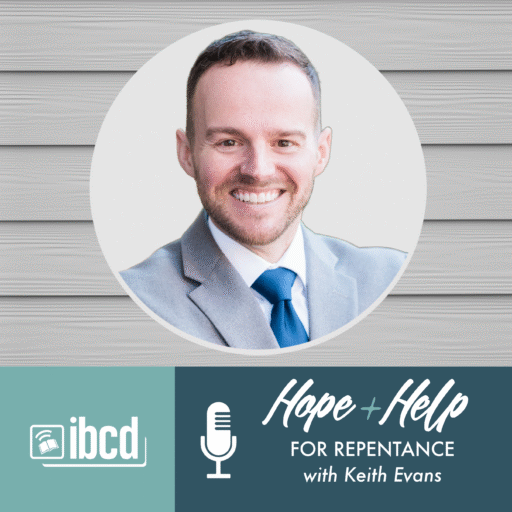
In this episode of the Hope + Help Podcast, host Christine Chappell interviews Keith Evans about the topic of repentance in the Christian faith. They discuss its significance, the difference between repentance and mere apology, and the negative connotations that can sometimes be associated with it. Keith emphasizes that repentance is a continuous part of the Christian life, rooted in grace and the transformative power of Jesus. They also delve into the importance of conviction of sin, viewing repentance as a gift, and practical applications for daily living. The discussion highlights biblical examples, particularly David’s prayer in Psalm 51, and encourages believers to embrace repentance as a means of spiritual growth and reliance on God’s mercy.
Key Takeaways:
- Repentance is essential to the Christian life.
- It’s not just about saying sorry; it’s about turning to God.
- Repentance should be seen as a gift, not a burden.
- The gospel offers hope and transformation through repentance.
- Conviction of sin is a necessary precursor to true repentance.
- Repentance is a continuous process, not a one-time event.
- We should seek to understand the difference between coerced confession and genuine repentance.
- Daily repentance helps us grow in our faith and reliance on Christ.
- David’s example in Psalm 51 shows the heart of true repentance.
- The Holy Spirit aids us in recognizing our need for repentance.
About the Guest
Keith Evans is Associate Professor of Christian Counseling at Reformed Theological Seminary in Charlotte, North Carolina. Previously, he was professor of biblical counseling, director of the Biblical Counseling Institute, and academic dean at the Reformed Presbyterian Theological Seminary in Pittsburgh, Pennsylvania. Prior to beginning as a seminary professor in 2018, Keith pastored in Lafayette, Indiana, for seven years. He is married to Melissa, and they have four daughters. He earned his Ph.D. in biblical counseling at The Southern Baptist Theological Seminary in Louisville, Kentucky.